Garrett Basement Waterproofing has been serving Northeast Ohio homeowners since June of 1957. In 69 years of wet springs, our team has learned something most homeowners discover the hard way: the damage from heavy spring rainfall does not always show up while it is still raining. June is often the month when the pressure your foundation walls have been absorbing all spring finally becomes visible, and by that point, the problem is already well underway.
Why June Is a High-Risk Month for Basement Walls
After months of snowmelt and spring rainfall, the soil surrounding your foundation is saturated. Northeast Ohio sits on a heavy clay-based soil that holds water rather than draining it quickly, which means the ground pressing against your basement walls stays wet and dense well into early summer. That saturated soil exerts what engineers call hydrostatic pressure — a steady, forceful push against your foundation walls from the outside. The longer it persists, the more stress it places on your basement walls and footings.
Warning Signs You Should Not Ignore
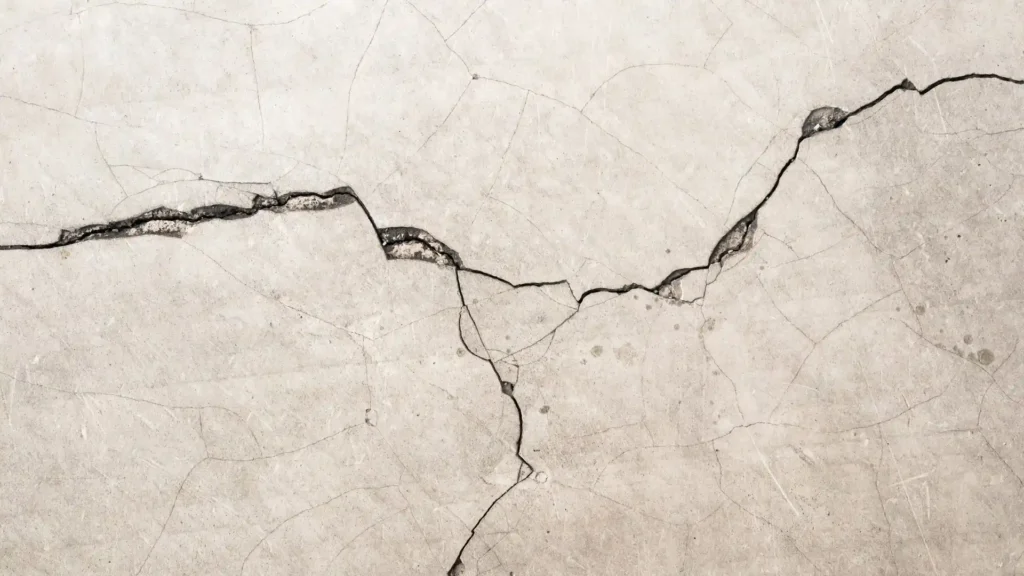
Horizontal cracks running across your basement walls are among the most serious warning signs a homeowner can find. Unlike vertical cracks, which often result from normal settling, horizontal cracks signal that outside soil pressure is actively bowing the wall inward. Other signs include walls that visibly bow or tilt, mortar joints that have begun to seep water under pressure, and white chalky deposits on your wall surface known as efflorescence, which indicate that water is moving through the masonry and leaving mineral deposits behind.
Solutions That Stop the Movement
Wall anchors and carbon fiber straps are proven methods for stabilizing a foundation wall that is beginning to bow or crack under soil pressure. Wall anchors are driven into the stable soil beyond the saturated zone and connected to the interior wall with a steel plate system, allowing the pressure to be counteracted and the wall to gradually return toward its original position over time. Carbon fiber straps bond directly to the surface of the wall and resist further inward movement without requiring excavation. For walls already allowing water intrusion, interior drainage systems channel water away before it can pool on your basement floor.
Act Now Before the Problem Gets Bigger
Foundation wall issues do not resolve themselves. A wall that is bowing a fraction of an inch today can progress significantly over a second or third wet season if it goes unaddressed. The good news is that catching these problems early typically means simpler, less costly repairs. Doc Garrett has the cure — and a free estimate is the first step. Call the location nearest you: Cleveland (440) 836-4990, Akron (330) 825-6100, Canton (330) 494-0259, Wooster (330) 262-9332, or toll free (800) 686-2848.