Most Northeast Ohio homeowners think about basement water problems when it rains. But July brings a different threat: warm, humid air moving into a cool basement and creating moisture conditions that can be just as damaging as a flooded floor. Since 1957, Doc Garrett has been diagnosing this problem for homeowners across Cleveland, Akron, Canton, and Wooster, and July is one of the busiest months of the year for it.
Why Humidity Hits Hardest in July
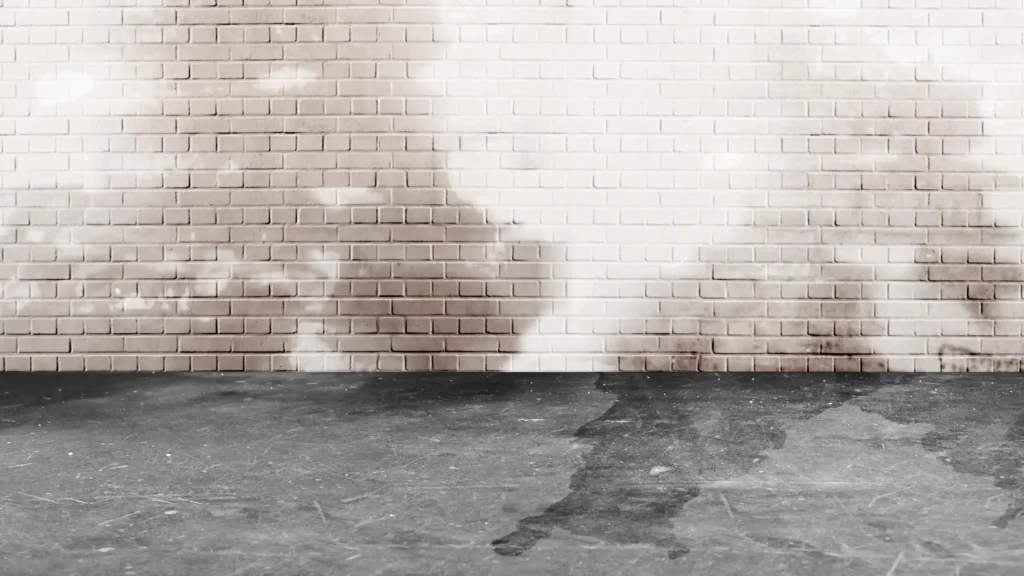
Northeast Ohio summers are consistently humid, with July dew points regularly climbing into the uncomfortable range. When warm, moisture-laden outdoor air enters your basement through windows, gaps around pipes, or open doors, it hits the cool concrete walls and floor and condenses. That condensation is not a minor inconvenience. Over the course of a month, it saturates building materials, feeds mold growth, and causes the white chalky deposits on basement walls known as efflorescence. If you have noticed a musty smell in your basement or visible white residue on the walls this summer, condensation is likely the culprit.
Humidity vs. Water Intrusion: How to Tell the Difference
Condensation and groundwater intrusion can look similar, but the distinction matters for choosing the right solution. A simple foil tape test can help: tape a small piece of aluminum foil to your basement wall and seal all four edges, then leave it for 24 hours. If moisture appears on the side facing the room, you have a condensation problem. If moisture appears on the side touching the wall, water is moving through the concrete itself, which points to a dampness and seepage issue that requires professional waterproofing. Many homeowners discover in July that they have both problems happening at once.
The Mold Connection
Mold thrives when relative humidity stays above 60 percent, which is a common condition in an unaddressed Northeast Ohio basement in July. It does not need standing water to grow. Drywall, wood framing, stored cardboard, and even concrete can all support mold colonies once conditions are right. By the time mold is visible, it has typically been present for weeks. Professional mold and mildew remediation is often the necessary first step before any waterproofing work can begin, because sealing a basement that already has active mold traps the problem rather than solving it.
What You Can Do Right Now
Running a dehumidifier in your basement during July and August is a reasonable short-term step, but it does not address the underlying reason moisture is getting in. If your basement walls feel damp to the touch, if you see efflorescence or discoloration, or if the musty odor returns quickly after airing the space out, these are signs that dehumidification alone is not enough. A professional inspection can identify whether the source is condensation, seepage, or a combination, and recommend a permanent solution that will protect your home through every Ohio summer to come.
Doc Garrett has the cure for humid, moisture-prone basements across Northeast Ohio. Call us today for a free estimate.
Cleveland: (440) 836-4990
Akron: (330) 825-6100
Canton: (330) 494-0259
Wooster: (330) 262-9332
Toll Free: (800) 686-2848